
By Joseph Kihanya LLB,LLM
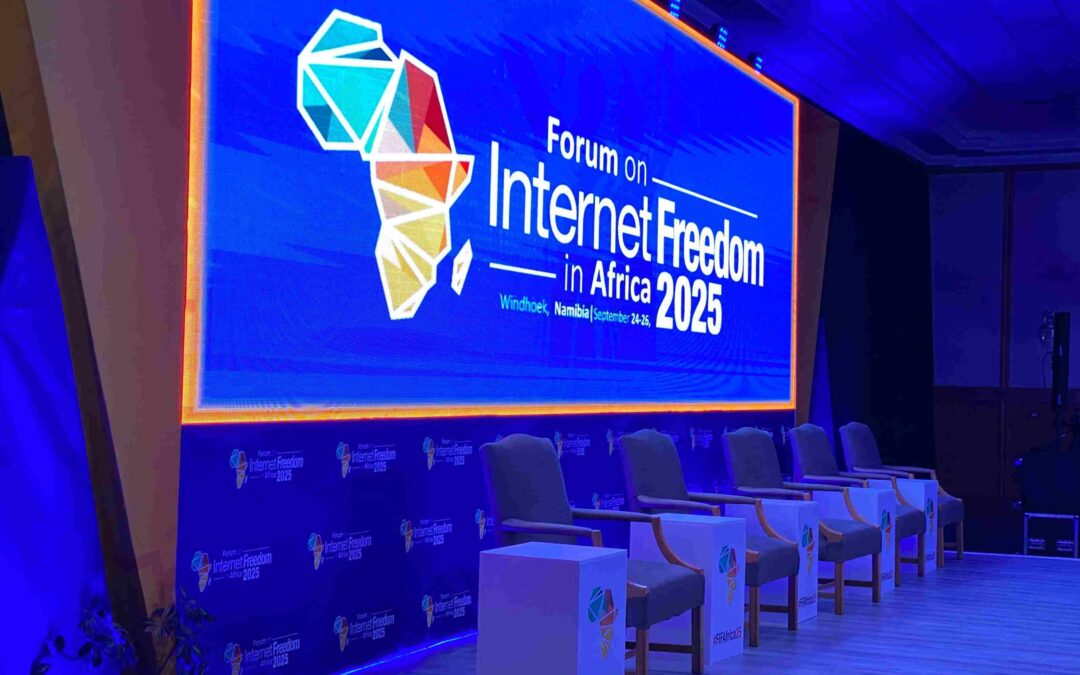
The 2025 edition Forum on Internet Freedom in Africa (FIFAfrica25) placed Africa in the driver’s seat of global conversations on business and human rights, digital governance, and platform accountability. Across panels, consultations, and side meetings, a clear message emerged: Africa is no longer a testing ground for imported norms, but a co-author of new global standards.
Three processes dominated the debates: the proposed Principles Framework on Business and Human Rights, the WSIS+20 Review, and the litigation in Mearag v. Meta. Together, they expose the gaps in existing rules and the possibilities for new pathways.
The New Principles Framework on Business and Human Rights
Drafted with leadership from Danish human rights organisations and the International Commission of Jurists, the framework is an ambitious update to the UN Guiding Principles on Business and Human Rights.
Key elements discussed at FIFAFRICA 2025:
- Mandatory obligations: moving away from voluntary codes towards enforceable state duties.
- Platform regulation: requiring algorithmic audits, content moderation transparency, and disclosure of data practices.
- Collective remedies: proposals for regional ombuds systems and cross-border dispute resolution.
- Equity lens: explicit attention to gender, marginalisation, and economic inequality.
African delegates stressed that legitimacy hinges on co-creation. If frameworks are drafted in Europe for Africa’s passive adoption, they will fail. The framework must be modular and adaptable, allowing for local constitutional values, capacity constraints, and developmental priorities.
WSIS+20: Global South Voices in the Zero Draft
The WSIS+20 Review has become an unlikely yet decisive venue for re-thinking digital governance. The Zero Draft outcome document attracted extensive Global South input, much of it echoed at FIFAFRICA.
Global South proposals presented included:
- Digital public goods and infrastructure: urging governments to fund open, interoperable systems and community-led connectivity projects.
- Bridging divides: calling for regulatory and budgetary measures to close gender and disability gaps, not just aspirational language.
- Resilient infrastructure: investment in satellites and local networks to serve rural and hard-to-reach areas.
- Data justice: insisting data governance must reduce inequality, respect Indigenous rights, and align with social justice goals.
- Privacy and rights: pressing for explicit recognition of the right to privacy alongside freedom of expression and association.
- Permanent IGF mandate: making the Internet Governance Forum a permanent UN body with stronger resources and links to national and regional IGFs.
For many African participants, WSIS+20 is the overlooked hinge that connects digital rights debates with broader development and justice agendas.
Mearag v. Meta: A Jurisdiction of Harm
The Mearag v. Meta case in Nairobi became a touchstone at FIFAFRICA. The claimant alleged Meta’s algorithms amplified harmful content, causing psychological harm and threats to safety.
Why it matters:
- Immunity rejected: unlike in the United States, where Section 230 of the Communications Decency Act shields platforms, the Kenyan court held that such immunities do not apply automatically. Platforms must comply with African constitutions and laws.
- Algorithmic accountability: the case raised the possibility of court-ordered disclosure of how algorithms rank and suppress content.
- Jurisdiction of harm: the principle that platforms are accountable where their harms are felt, not just where they are incorporated, is gaining traction.
If upheld, Mearag v. Meta could become a global precedent, showing that platform accountability can advance even in jurisdictions with limited resources.
USA , Section 230 vs. African Accountability
Section 230 of the Communications Act (added by the 1996 Communications Decency Act) grants online service providers and users broad immunity from liability for content created by others.
- Core Rule: Providers and users cannot be treated as the “publisher or speaker” of third-party content.
- Key Case: Zeran v. AOL confirmed that this shields platforms from lawsuits over editorial choices like publishing, removing, or altering content.
- Two Main Provisions:
- §230(c)(1): Protects against liability for third-party content, covering both hosting and takedown decisions.
- §230(c)(2): Shields good-faith efforts to remove “obscene, violent, harassing, or otherwise objectionable” content.
- Limits/Exceptions: No immunity for federal crimes, intellectual property claims, certain privacy rules, state laws consistent with §230, and sex-trafficking laws.
While U.S. debates remain mired in whether to amend Section 230 to address disinformation and hate speech, Africa is setting a different tone. Courts and regulators are not bound by the U.S. immunity doctrine. Instead, they emphasise:
- Human rights obligations.
- Local constitutional standards.
- The right of citizens to remedies against algorithmic and data-driven harms.
This divergence illustrates how African jurisprudence may shape post-Section 230 norms for global platform regulation.
Key Fault Lines
FIFAFRICA debates revealed deep tensions:
- Universal frameworks vs. local adaptation: Can one framework govern both Silicon Valley and Lagos?
- Capacity gaps: States are asked to regulate and audit platforms but lack resources.
- Trade secrecy vs. transparency: Platforms resist algorithmic audits citing intellectual property.
- Cross-border remedies: Who enforces when harms span multiple countries?
- Legitimacy: Will African civil society and regulators be co-authors or consultees?
Takeaways for Policy and Practice
- Africa is shaping global rules. Through WSIS+20, litigation, and consultations, the continent is no longer on the sidelines.
- Frameworks must integrate digital rights. Any new business and human rights framework that omits WSIS+20 principles on privacy, data justice, and digital public goods will be obsolete.
- Courts matter. The outcome of Mearag v. Meta could re-set global standards on platform liability.
- Section 230 is not a global template. African courts are developing new accountability models based on harm and rights, not immunity.
- Remedies must be regional. Cross-border ombuds or pan-African mechanisms will be needed for digital harms.
- Civil society must hold the pen. Participation in drafting and monitoring is essential to ensure legitimacy.
- Technical capacity is decisive. Building audit labs, algorithmic forensic units, and oversight bodies in Africa is the next frontier.
Conclusion
FIFAFRICA 2025 marked a pivot. African actors are no longer content with rhetorical inclusion. They are demanding enforceable norms, algorithmic accountability, and digital justice grounded in lived realities.The Principles Framework, WSIS+20, and the Meta litigation are not isolated threads.
Together they signal a re-wiring of global governance where Africa’s experiences and jurisprudence become central, not peripheral.For policymakers, platforms, and digital rights defenders, the takeaway is clear: the rules of the digital game are being re-written, and Africa is tentatively, holding the pen.