
By Cherie Oyier
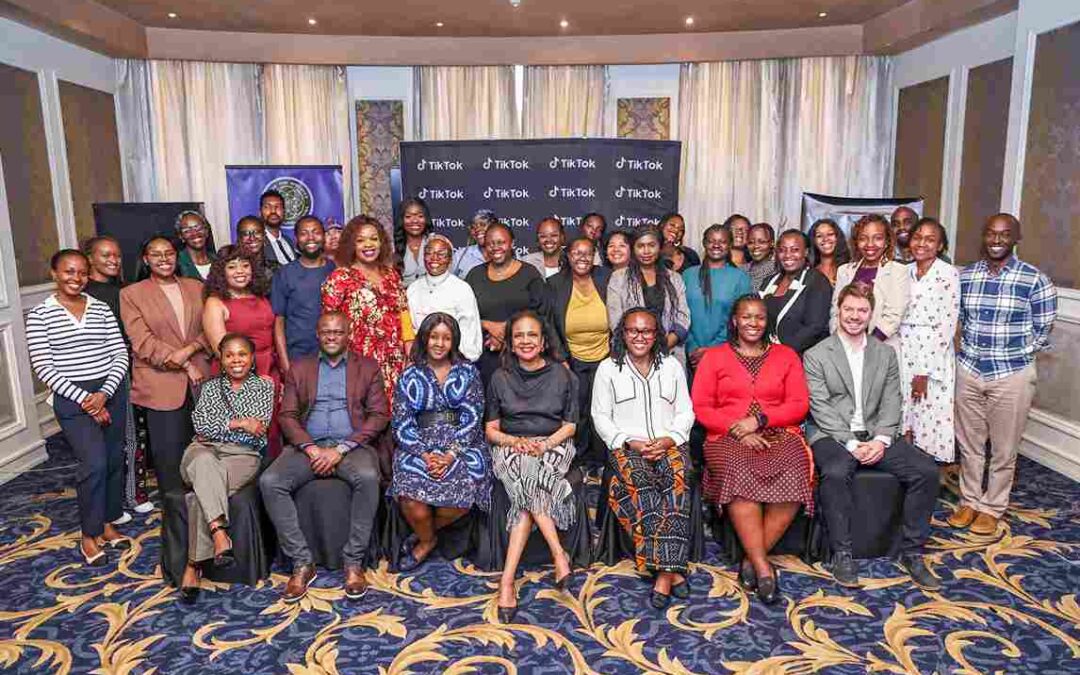
TikTok and the Center for Analytics & Behavioral Change held a consultative workshop on Technology Facilitated Gender-Based Violence (TFGBV) which brought together researchers, journalists, lawyers, CSOs and state officers in Kenya.Key on the agenda was to raise awareness on existing and new safety features designed to protect users from harmful online behavior.
During the discussions, we as KICTANet highlighted its 6 TFGBV Lexicons, developed in 2025 in line with our research and policy advocacy initiatives. The lexicons highlight how online abuse in Kenya is often expressed in local languages and cultural nuances that global moderation systems and algorithms struggle to detect. By documenting harmful keywords in these local languages, the lexicons provide a valuable resource for platforms like TikTok to strengthen detection mechanisms and ensure that harmful content does not go unchecked. Sharing the lexicons during the workshop underscored the importance of context-specific solutions in tackling TFGBV.
TikTok outlined its three-pronged approach to safety: enforcement, empowerment, and community guidelines. On enforcement, TikTok combines proactive AI-driven detection with human moderation, reporting that over 94% of violating content was identified proactively in the first quarter of the year, with more than one billion posts removed in that period. Empowerment tools such as comment filters, Creator Care Mode, and the Kindness Prompt give creators more control over their spaces and encourage perpetrators to reconsider harmful posts before publishing. The platform’s hate speech policies prohibit attacks based on race, ethnicity, sex, religion, tribe, sexual orientation, or disability, including slurs, conspiracy theories, and harmful ideologies.
Still, challenges remain, particularly as perpetrators use coded language, memes, and live-stream features to evade moderation. TikTok acknowledged these gaps and expressed interest in working with local partners in Kenya to improve detection, provide mental health support, and build resilience against evolving harms. With resources like the KICTANet lexicons, there is an opportunity to align global safety frameworks with local realities, ensuring safer digital spaces for women, girls, and marginalized groups across the country.
Cherie Oyier, Programs Officer-Women’s Digital Rights, KICTANet