
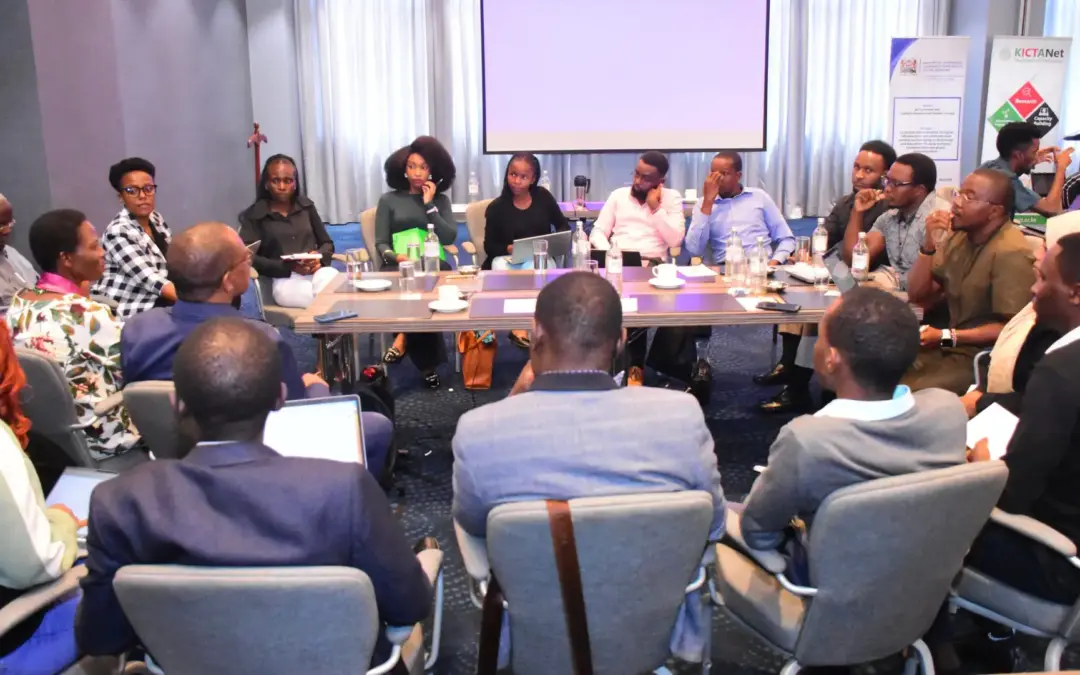
Kenya’s ongoing consultations on a National AI and Emerging Technologies Policy brought together civil society organizations (CSOs), special interest groups (SIGs), and media stakeholders in a spirited roundtable session. The discussions underscored the urgency of embedding ethics, accountability, and inclusivity into the country’s AI future.
Participants emphasised that the media and civil society must not be treated as passive observers, but as active partners in shaping AI governance. One participant noted: “You assume that media will just come and cover you, but they don’t take matter. It’s important to have engagement from the start—let them be part of it.”
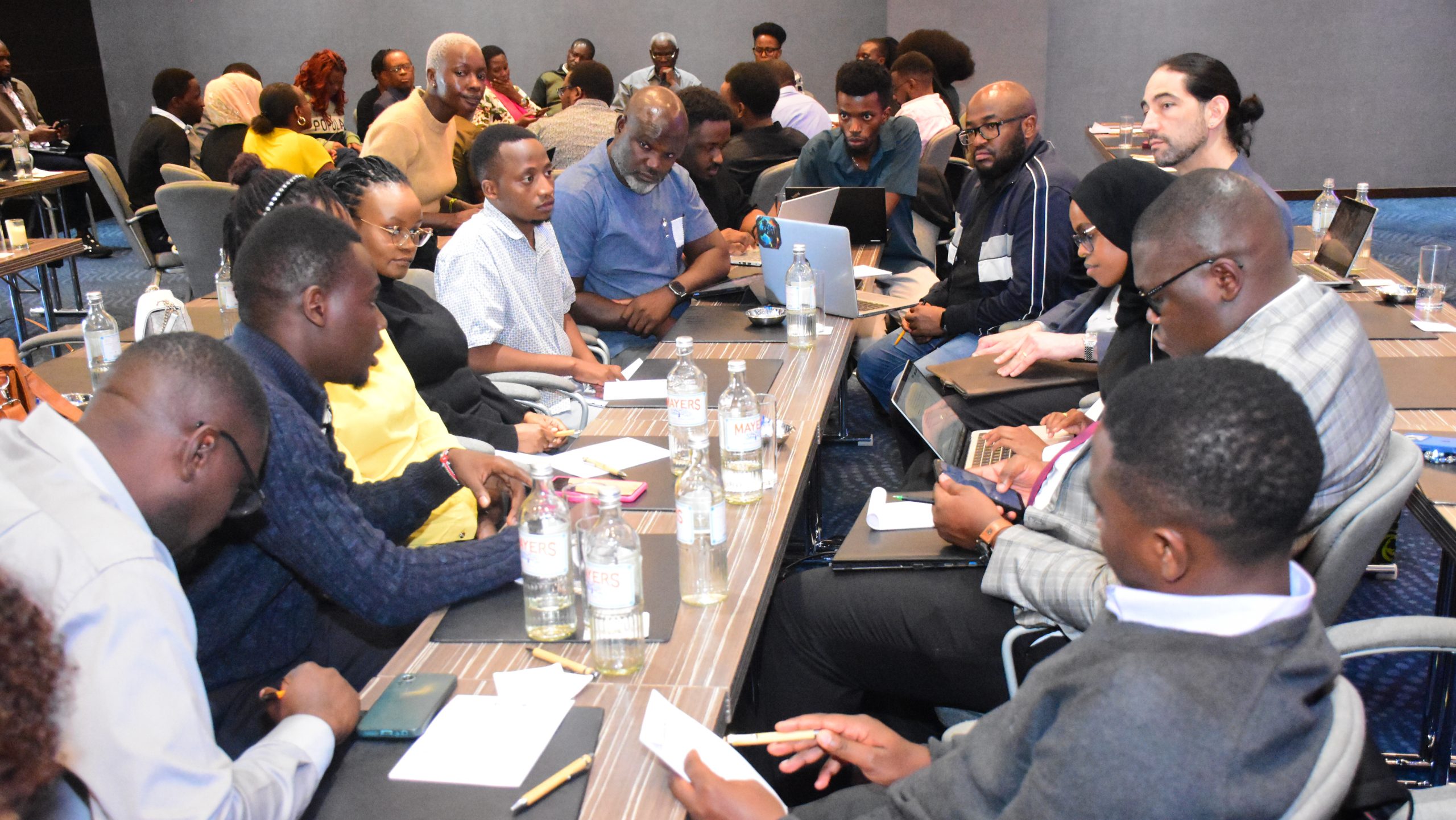
Civil society and media push for early involvement in Kenya’s AI governance.
Key Themes from the Consultation
- Advocacy for Ethical AI: Media and CSOs were identified as frontline advocates ensuring AI development does not compromise societal well‑being. “It is the role of the media and civil society to be at the forefront pushing for ethical AI development,” one speaker stressed.
- Watchdog Function: Stakeholders highlighted the need for accountability mechanisms to monitor government and private sector deployments. Concerns around surveillance, discrimination, and social scoring were raised as areas requiring vigilance.
- Public Education: Participants agreed that awareness campaigns must demystify AI for diverse audiences. “Different people are in different places with AI… some are paranoid, some are conspiracy theorists. All those people need to be grouped in and catered for,” a contributor explained, pointing to the importance of grassroots communication through radio, social media, and community forums.
- Partnership Principles: The roundtable proposed reciprocity and benefit‑sharing in partnerships. If private firms access Kenyan data, they must return value locally through skills transfer, infrastructure, and co‑creation. “It shouldn’t create dependency. It should build capacity,” one participant argued.
- National Posture and Vision: There was consensus on the need for a shared national vision for AI, rooted in Kenya’s constitutional values and development priorities. “We should have a homegrown policy which speaks to our realities, not just borrowed from abroad,” a participant urged.
The consultation revealed both optimism and caution. While AI is seen as a driver of innovation and competitiveness, stakeholders warned against extractive partnerships and fragmented regulation. Calls for anticipatory, flexible policies, updated every two years instead of five, reflected the fast‑changing nature of the technology.
As one participant summed up: “This is becoming a basic need. Whether we like it or not, you bump into it. So it’s either we are left behind, or we make it a national campaign.”

Kenya AI Roundtable: Media and CSOs Demand Role
Upcoming Sessions
The consultations are part of a broader national process convened by the Ministry of ICT and partners. Other sessions scheduled include:
- 11 February 2026 – Private Sector & Tech Community
- 12 February 2026 – National & County Governments
READ
- Kenya Charts AI Future: KICTANet CEO Rallies Academia at Policy Roundtable
- Academia Steps Forward in Shaping Kenya’s AI Policy
- Kenya’s AI Policy Committee Charts Path for Responsible Innovation
- UK–Kenya AI Challenge Fund: From Foundations to Scaled Impact
- California SB‑53 and Kenya’s Emerging AI Governance
- Kenya Launches Inclusive AI Policy Development Process to Shape a Responsible Digital Future