
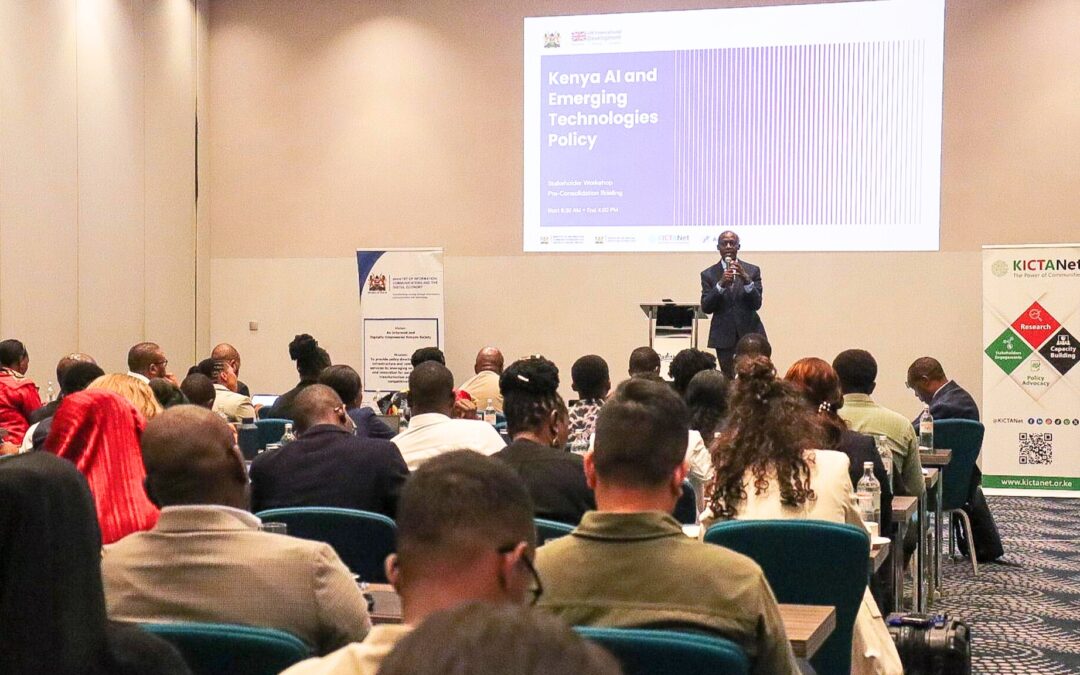
Kenya is emerging as a continental leader in artificial intelligence (AI) and emerging tech policy formulation, with government, private sector, banks, tech community and technical experts converging to chart a long‑term vision. The country’s approach is ambitious yet pragmatic: treat data and cloud infrastructure as public goods, unlock sharing frameworks, and design regulation that attracts capital while protecting citizens and ecosystems.
Data as Infrastructure: From Hoarding to Sharing
Participants during the pre-consolidation briefing session held Wednesday argue that data must be treated as infrastructure, not as a resource locked away in silos. Severe fragmentation across government agencies and private companies has slowed AI and emerging tech progress.
“Everything to do with the data is managed independently by different government sectors, different government departments, and even internally within these departments.”
To counter this, the group proposes legal instruments for data markets, enabling anonymised and standardised datasets to be safely shared or traded. They also recommend data maturity models to ensure datasets are usable for training AI systems, and practical steps such as publishing government datasets.
Instruction‑tuned data—Q&A style datasets critical for large language models—was identified as a missing ingredient. Incentivising companies like Safaricom to anonymise and share customer interaction data could help local models better reflect Kenyan languages and contexts.
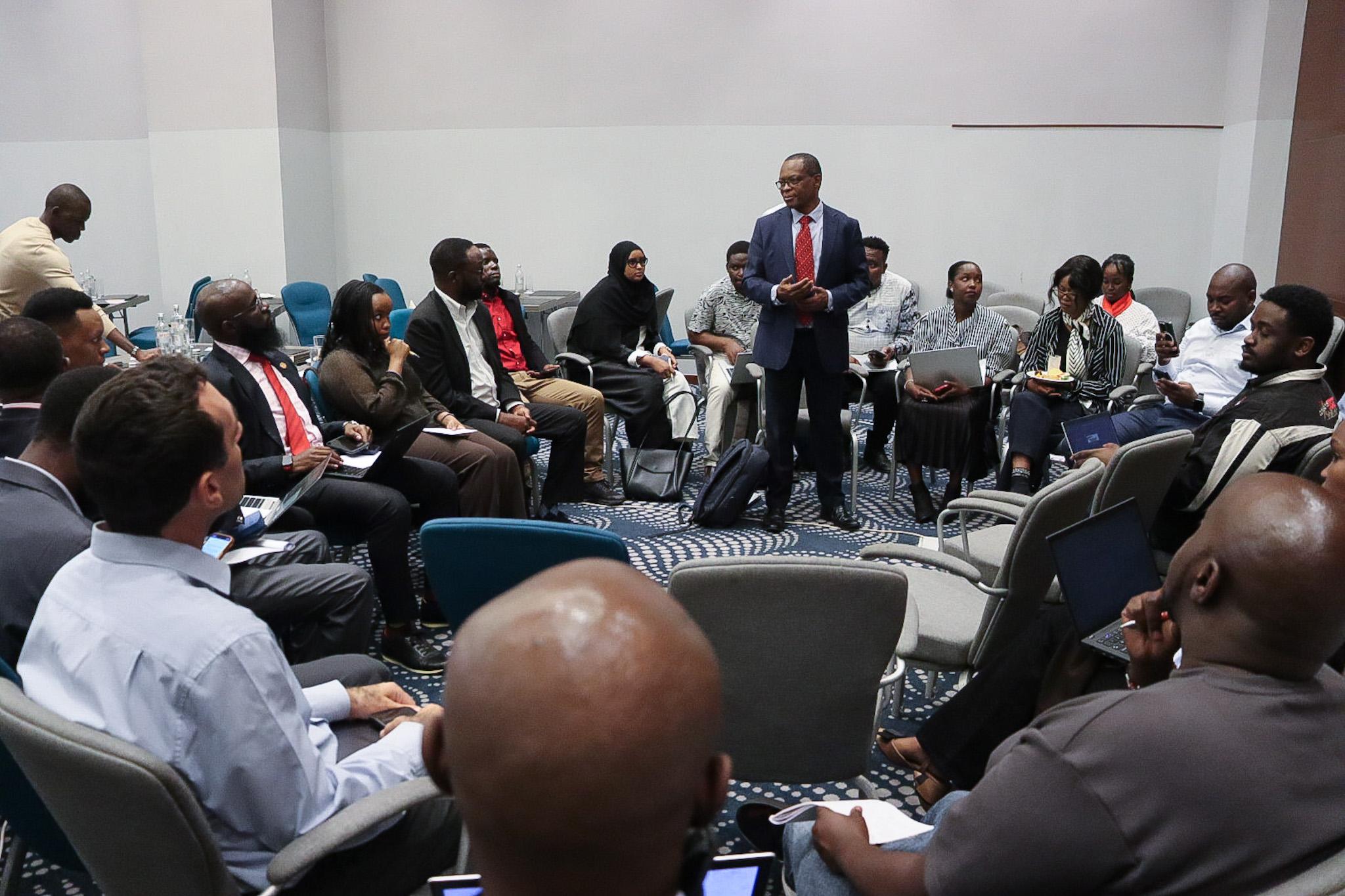
From risk‑based regulation to e‑waste recycling, Kenya’s AI policy framework seeks to safeguard citizens while attracting global investment.
Governance and Ethics: Risk‑Based, Human‑Centric Regulation
The governance and ethics working group was clear: regulation must balance innovation with protection. Instead of copying foreign laws, they advocate a risk‑based framework that puts individuals at the center.
“As we develop this risk‑based framework, we should keep the individual at the center… if an individual is going to be affected in a more serious way… it’s more high risk.”
Key proposals include:
- A National AI and Emerging Technologies Council to coordinate governance.
- A national AI sandbox to encourage experimentation.
- Clear liability rules for startups and model providers.
- Digital literacy for children, rather than strict age‑based restrictions.
The group also flagged quantum technologies, geopolitical pressures, and sovereignty as emerging issues, urging Kenya to prepare strategies for quantum encryption and critical asset protection.
Cloud‑First and Data Infrastructure: Kenya’s Strategic Advantage
Kenya’s Cloud‑First Policy approved and is now operational, making it one of the first countries in Africa to formalise cloud adoption. With three or four tier‑three data centres already in place, Kenya holds a strategic advantage. Approved in January 2025 by the Ministry of Information , Communication and Digital Economy mandates that public entities adopt a “cloud-first approach for ICT investments.”
“It’s almost like… the government needs to actually build the roads so that the Kenyan citizens can then build… This is why the ‘data as infrastructure’ approach really makes sense,” said Director Partnerships Research and Emerging Technologies, John Kiria.
A national data management policy is being developed to clarify ownership, access, and governance. This ties into Kenya’s broader digital public infrastructure (DPI) agenda, treating public data as shared national assets.
Financing and Investment
Despite global AI investment exceeding USD 200 billion last year, Africa captured only 0.1%. Kenya’s experts argue that regulatory clarity is key to attracting capital.
“Any investor putting in is guaranteed that… the regulatory environment is protectionist to the investor in the local [market]… So in terms of regulation, for any investor to come, there has to be clarity.”
Financing AI infrastructure and talent will require private‑sector leadership, with government providing an enabling environment. A dedicated private sector roundtable is planned to align on opportunities and guarantees.
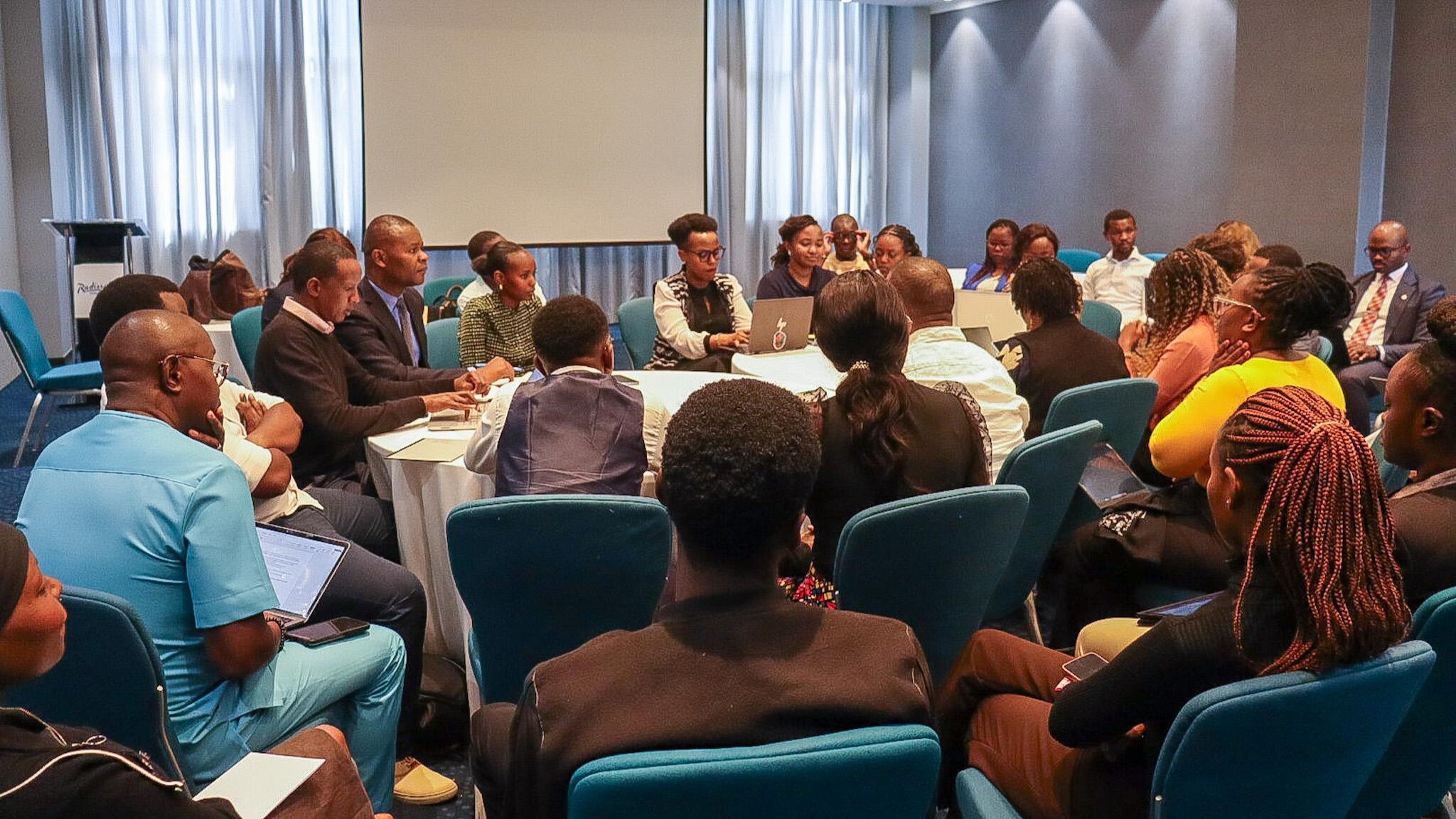
Treating data as public infrastructure, Kenya aims to unlock sharing frameworks, build capacity, and retain talent for long‑term AI growth.
Capacity, Localisation, and Talent Retention
Kenya’s AI future depends on human capital. Stakeholders emphasised localisation of AI models to reflect Kenyan realities, structured literacy programmes at multiple levels, and partnerships to support adaptation and fine‑tuning.
“Building foundational models from scratch is capital intensive… what we can do is have the partnerships… to support the local adaptation layers, and then now build on local fine tuning locally.”
Retaining top talent—the “1%”—is critical to reducing brain drain and ensuring advanced capabilities remain in‑country.
Environment, Infrastructure, and E‑Waste
AI expansion must be sustainable. GPUs and data centres consume vast amounts of energy and water, while e‑waste recycling remains largely informal.
“We need to do it in a way that it doesn’t increase pressure on the existing ecosystems that we have, whether it’s water… [or] our energy sector.”
Stakeholders called for:
- Fiscal incentives for AI compute infrastructure.
- High‑quality bandwidth in rural areas.
- Formalised e‑waste recycling, supported by tax incentives and streamlined compliance.
The balance is clear: protect ecosystems without deterring investment.
Inclusive, Predictable AI Policy
The closing discussions asked whether Kenya’s AI policy is inclusive, predictable, and future‑proof. The consensus: it must embrace startups, multinationals, and investors, while providing a clear trajectory for decades to come.
“We are here to plan for the future… and we want to do it right… We make sure that whatever we output is relevant to the investor, is relevant to the donor, is relevant to anybody, even… a startup who wants to venture into the AI sector.”
Kenya’s AI policy is not a short‑term fix but a foundational framework for the next 30+ years. By aligning cloud, data, governance, capacity, and sustainability, Kenya aims to punch above its weight in AI innovation, systems rooted in local realities while remaining open to global collaboration.