

The Data Labelers Association, an organization advocating for fair treatment, mental health support, and professional growth, emerged as the overall winner of the KICTANet-KenSafeSpaces Policy Hackathon.
Announced at the Africa Tech Policy Summit (AfTPS), the hackathon showcased innovative solutions for a safer, more inclusive digital environment in Kenya.
Held in Nairobi, the event united grassroots organizations, civil society, and digital rights advocates to co-create actionable policy solutions across three key themes: data protection, online safety, and content moderation.
Winners
1. Overall Winner: Data Labellers Association
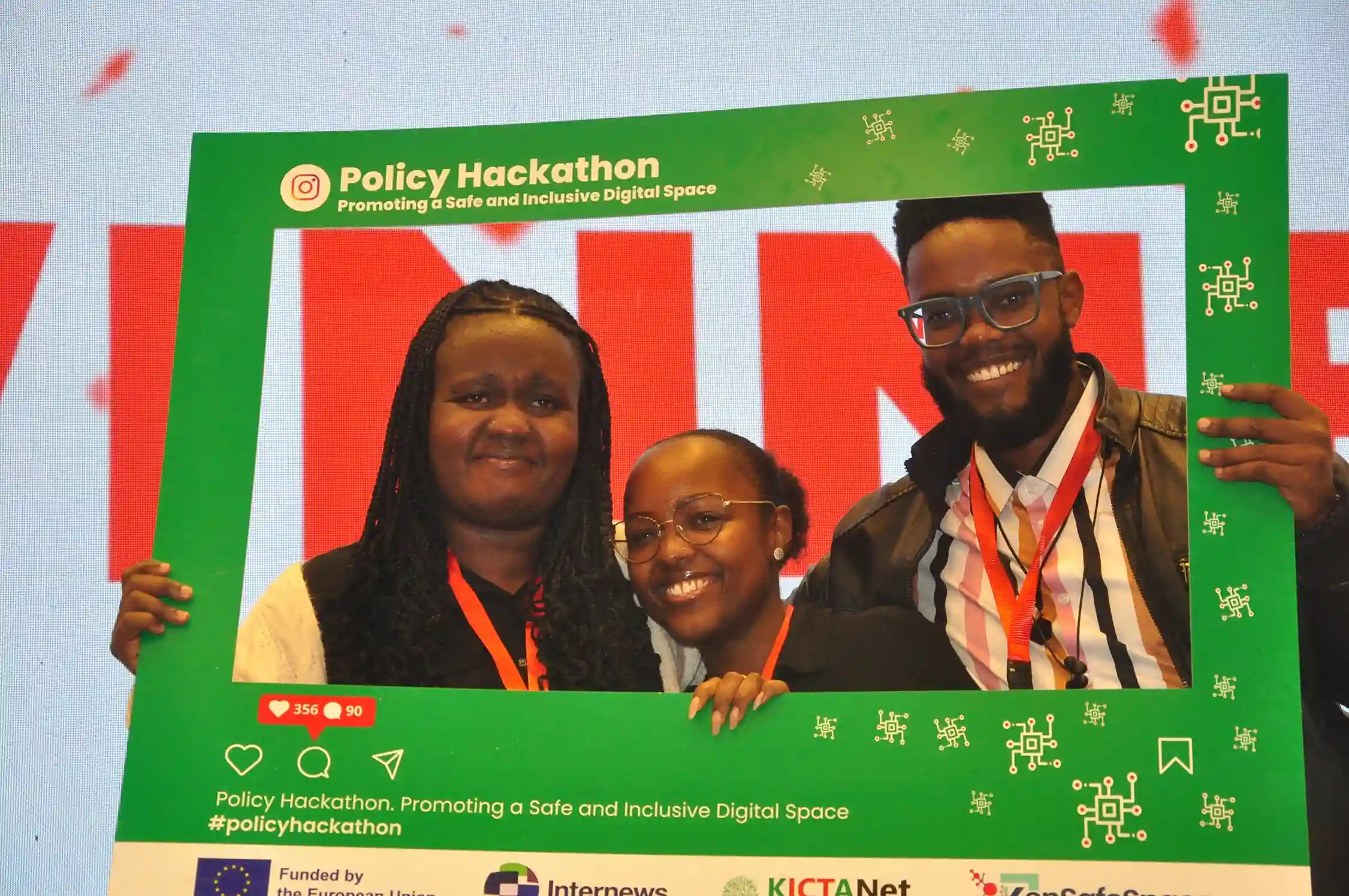
Their winning policy solution, Hidden Crisis for Kenya’s AI Data Workers, addressed traumatized content exposure, poverty wages, and the mental health epidemic among AI data workers.
The initiative aims to establish enforceable employer standards, foster multi-stakeholder collaboration, and promote worker-centered approaches for AI data workers.
Key deliverables include:
- A finalized Code of Conduct outlining worker protections, mental health support, and fair pay standards.
- A comprehensive Policy Brief for adoption by government and industry.
- A Public Awareness Campaign to highlight these issues.
- Prize: €4,000 seed funding.
2. First Runners Up: AbleRise Africa
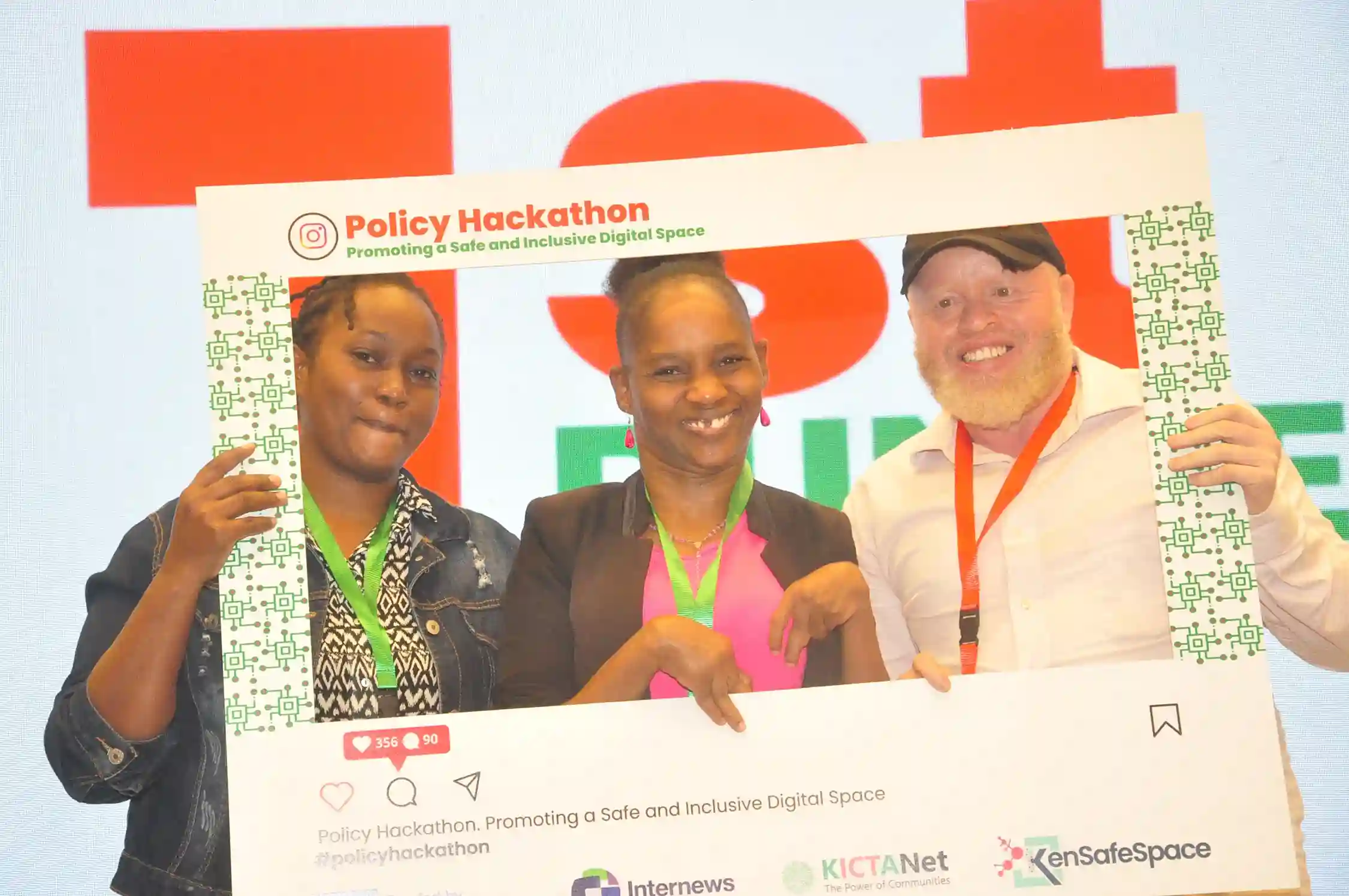
First Runners Up: AbleRise Africa
- Project: Enhancing Content Moderation & Platform Accountability for Persons with Disabilities
Their winning policy solution focused on empowering Persons with Disabilities (PWDs) in informal settlements (Kangemi, Mathare, and Korogocho) through disability-tailored online protection content and mechanisms for flagging and reporting abusive content on digital platforms.
This initiative aims to create an empowered cohort of digital citizens with disabilities, supported by a robust online ecosystem, enhancing their visibility and self-advocacy. It will drive targeted accessibility reforms for websites and strengthen accountability for platform and government websites to meet accessibility standards.
The solution is a game-changer because it actively integrates PWDs into online platforms as engaged participants, not passive beneficiaries. As a pioneering grassroots effort, it addresses the digital rights of slum-based PWDs, ensuring their inclusion and empowerment in the digital sphere.
- Prize: €3,000 seed funding.
3. Second Runners Up: The Youth Cafe
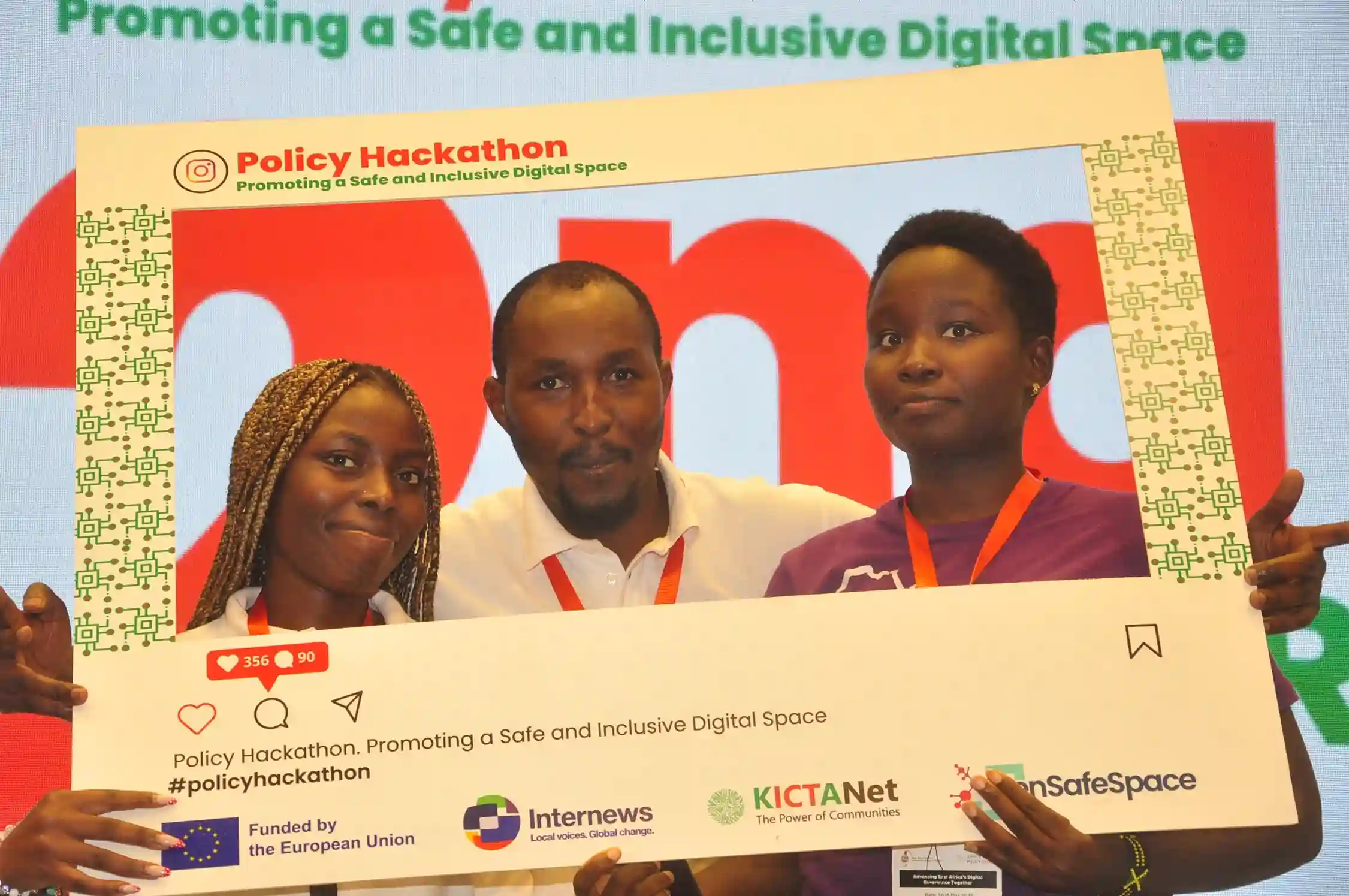
Second Runners Up: The Youth Cafe
- Project: Cyber Rights Campus Connect
Their winning policy solution addresses the misinterpretation and limited understanding of cybercrime legal frameworks among youth, particularly the Computer Misuse and Cybercrimes Act (CMCA) of 2018, focusing on its provisions and consequences.
The initiative targets cyberbullying and harassment (Section 27) and non-consensual sharing of intimate images (Section 37).
“Cyber Rights Campus Connect,” a youth-led project, educates university students in Kiambu County about the CMCA 2018. It will host monthly interactive podcasts at Kenyatta University, Jomo Kenyatta University of Agriculture and Technology, and Kiambu Institute of Science and Technology, targeting 100–150 students per event and reaching 1,000 more online via live streaming. Discussions will use case studies to clarify the legal implications of Sections 27 and 37. The project will collect student feedback and policy recommendations for a final report and engage stakeholders, including regulators (CAK/ODPC), law enforcement (DCI), lawmakers, and legal experts, to discuss reporting mechanisms and potential legal amendments.
- Prize: €2,000 seed funding.
About the Hackathon
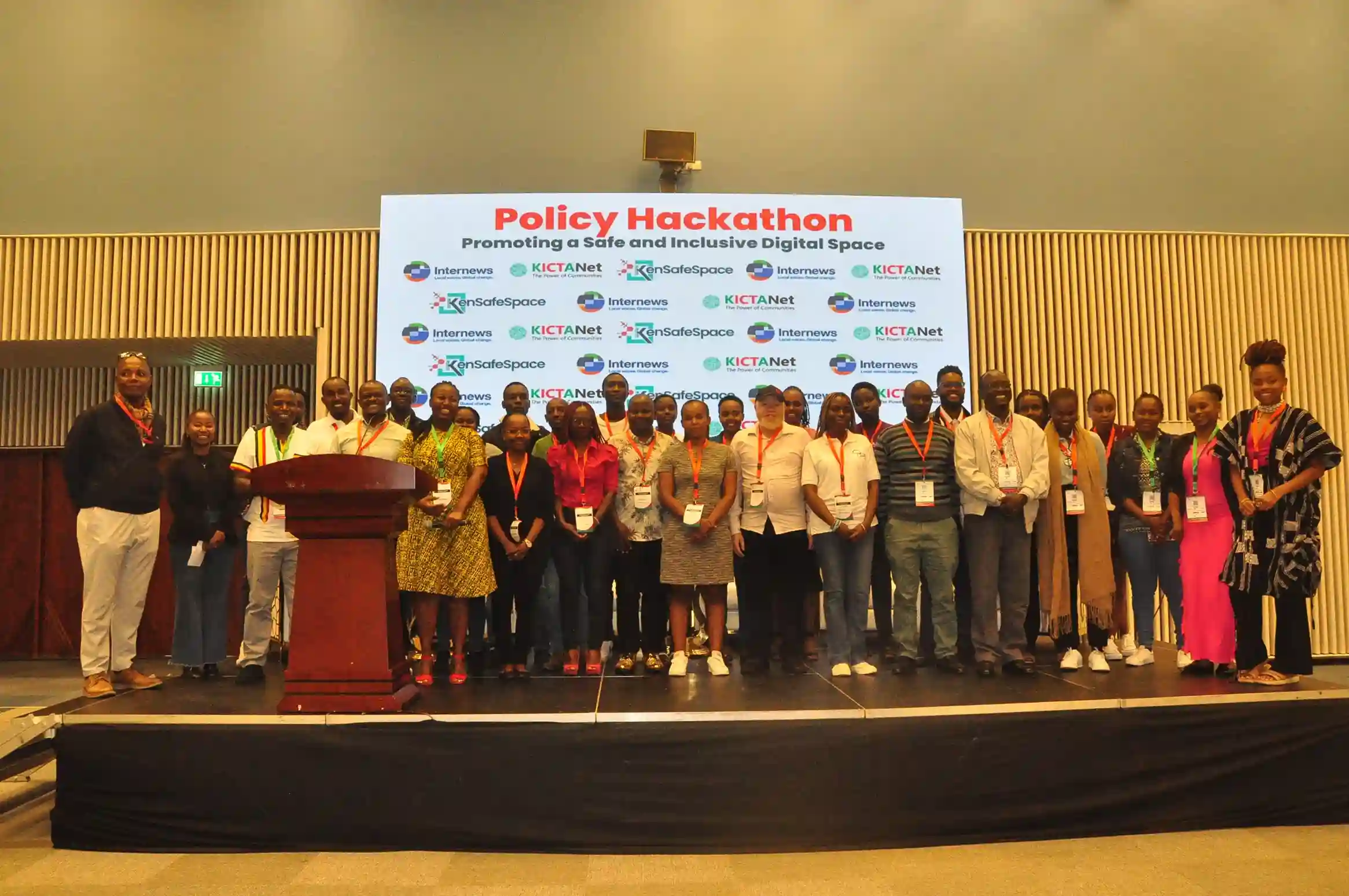
The hackathon, organized by KICTANet in partnership with Internews and Internet Without Borders (IWB) and funded by the European Union, aimed to:
- Strengthen collaboration among local civil society organizations.
- Review and align digital policy frameworks with constitutional and international human rights standards.
- Develop model policies, codes of conduct, and guidelines for a safer digital space.
Twelve organizations were shortlisted from 69 applications, with nine teams ultimately pitching their solutions to a panel of judges.
The event concluded with remarks from Dr Grace Githaiga, KICTANet convenor, who lauded the participants’ innovative approaches to local ICT policy challenges.
Looking Ahead
The winning projects will receive seed funding to implement their solutions, contributing to Kenya’s ongoing efforts to foster a democratic, safe, and inclusive digital environment.
The hackathon’s success underscores the importance of grassroots innovation and multi-stakeholder collaboration in shaping the future of African digital policy.