
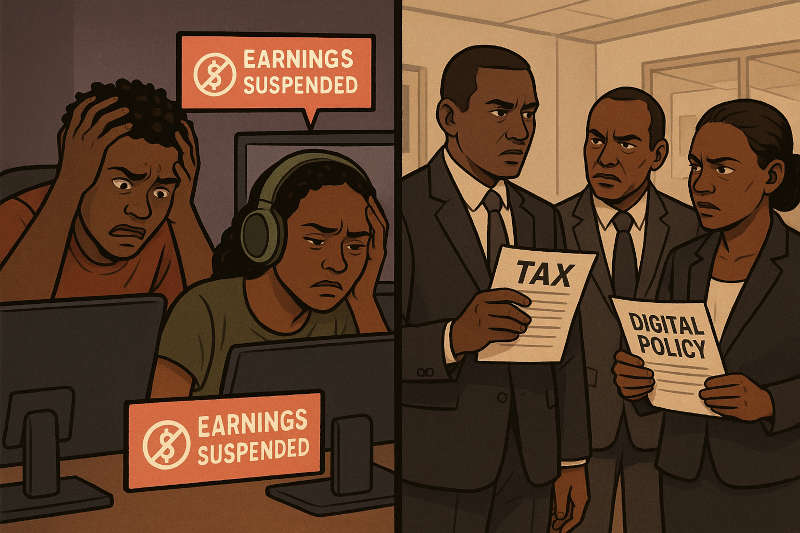
Kenya has implemented an aggressive multi-layered digital taxation framework that has created substantial compliance burdens for international platforms. The current tax structure includes:
a) 16% VAT on electronic services – Applied to all digital platforms serving Kenyan users, with no minimum threshold for non-resident registration.
b) Withholding tax ranging from 5-20% – Residents face 5% while non-residents face 20% on digital content monetization. This creates additional administrative complexity for platforms managing creator payments.
c) 3% Significant Economic Presence (SEP) tax – Replaced the previous 1.5% Digital Services Tax and now applies to all non-resident digital providers regardless of turnover threshold. The Finance Act 2025 eliminated the KES 5 million exemption, expanding the tax net significantly.
d) 10% excise duty on digital asset platforms – Applied to fees charged for digital asset transfers, adding another layer of taxation complexity.
This represents part of a concerning pattern where international platforms are withdrawing or limiting services in Kenya due to regulatory friction. Kenya’s digital economy, valued at KES 1.2 trillion in 2023 and projected to contribute KES 662 billion to GDP by 2028, faces serious threats from these departures. Organisations That Have Not Complied or Have Exited Kenya include
• PayPal: Limited some marketplace and merchant services in Kenya following tax regime changes affecting cross-border payments.
• Stripe: Placed restrictions on onboarding new Kenyan merchants, citing complex compliance requirements.
• Some smaller SaaS providers and global e-learning platforms: These have either exited or placed restrictions on Kenyan user accounts due to administrative burden/cost of compliance.
The Kenya Revenue Authority collected KES 5.328 billion (approximately $37.5 million) from digital services in 2023, marking 207.9% growth. However, this revenue gain appears to be coming at the cost of ecosystem development and creator livelihoods.
• Google: Registered and operating, paying Significant Economic Presence (SEP) tax and VAT along with maintaining its local innovation hub in Nairobi.
• Microsoft: Complied by registering for VAT and Digital Service Tax (DST) and operates local cloud/data services.
• Meta (Facebook, Instagram, WhatsApp): Implemented 16% VAT on all advertising and marketplace transactions from 2022 and continues local operations.
• Amazon: Registered for VAT and digital services taxation for e-commerce and streaming services.
• Spotify: Collects relevant taxes on subscriptions and music streaming.
• Netflix: Registered for local VAT and DST; continues streaming services in Kenya.
• Adobe: Processes VAT on software subscriptions and cloud services.
• Zoom: Registered VAT and DST; bills Kenyan users with local tax included.
• Apple: Registered as a nonresident supplier for VAT compliance on App Store purchases/music/video streaming.
• LinkedIn: Registered and remits both DST and VAT for marketplace services
Kenya’s Digital Leadership at Risk.
Kenya has emerged as a leader in digital innovation in Africa, boasting impressive figures such as 98% mobile money usage and 65% internet penetration. The country is classified as a “generation 5” (G5) nation in information and communication technology (ICT) regulatory frameworks by the International Telecommunication Union (ITU), placing it alongside advanced economies like Brazil, Canada, Japan, and Singapore. Despite this strong footing, Kenya’s leadership in the digital space is under threat from emerging digital taxation regulations.
The nation’s thriving streaming and content creation ecosystem has been driven by platforms such as Twitch, which offer Kenyan streamers diverse and stable monetization options including subscriptions, Bits, donations, and brand partnerships. This organic growth, however, is at risk due to what is perceived as regulatory overreach in the digital taxation policies enacted under the Finance Act 2025. Key elements of this legislation include the repeal of the digital asset tax but an expansion of the Significant Economic Presence Tax (SEPT), which removes thresholds that previously exempted small non-resident digital providers from taxation and broadens the scope to cover virtually all digital transactions conducted over the internet or digital marketplaces.
While the tax framework aims to align Kenya’s digital economy with global transparency and fiscal standards by broadening the tax net, it also raises concerns about stifling innovation and entrepreneurship in the digital sector. The more expansive tax obligations and compliance demands may dampen the growth momentum of Kenya’s digital content creators and startups, potentially undermining the country’s competitive edge in the digital economy despite its advanced ICT regulatory status. Balancing fiscal responsibility with fostering an enabling environment for digital innovation remains a critical challenge for Kenya in maintaining its digital leadership.
Should our organic growth now be stifled by regulatory overreach?
International Best Practices.
1. Establish a Digital Economy Stakeholder Forum: Create an inclusive platform bringing together content creators, digital platforms, tax experts, and government representatives to address immediate concerns and develop sustainable solutions.
2. Implement a Digital Tax Moratorium: Temporarily suspend new digital tax implementations for 12 months while conducting comprehensive impact assessments on existing measures.
3. Launch Creator Support Initiative. Provide temporary support for affected streamers through existing SME programs and facilitate their transition to alternative platforms or revenue models.
4. Rationalize the Digital Tax Framework: Consolidate the multiple tax layers into a single, transparent digital services tax that balances revenue generation with ecosystem development.
7. Establish Kenya as a Regional Digital Hub: Position the country as the preferred location for digital platforms serving Africa by offering competitive tax rates combined with robust infrastructure and skilled talent.
9. Implement Regional Coordination: Work with EAC and AU partners to harmonize digital taxation approaches, reducing compliance burdens for platforms operating across borders.
10. Create a Digital Economy Special Economic Zone: Develop dedicated zones with streamlined regulations and tax incentives for digital businesses, content creators, and technology companies.Policy Recommendations.
1. Balance Revenue and Growth: The government must recognize that aggressive taxation without consideration of ecosystem effects undermines long-term revenue potential. International evidence shows that moderate, well-designed digital taxes generate sustainable revenue while supporting innovation.
2. Adopt Graduated Implementation: Rather than implementing blanket taxes across all digital services, adopt a risk-based approach that considers platform size, local investment, and contribution to skill development.
3. Strengthen Stakeholder Engagement: Implement the collaborative regulatory framework outlined in Kenya’s Digital Economy Blueprint, ensuring meaningful consultation with industry stakeholders before policy changes.
The withdrawal by global digital players serves as a critical warning signal that Kenya’s current approach to digital taxation is unsustainable. While the government’s desire to capture revenue from the digital economy is understandable, the current multi-layered tax structure is driving away the very platforms and creators that could generate long-term economic value.
The recommended position is clear: Kenya must immediately recalibrate its digital tax policy to balance revenue generation with ecosystem development. This requires suspending aggressive tax implementations, engaging meaningfully with stakeholders, and developing a more nuanced approach that recognizes the interconnected nature of the global digital economy.
The choice facing Kenya is stark – continue with the current approach and risk further platform withdrawals that could cripple its digital economy ambitions, or pivot toward a more balanced strategy that positions the country as a regional digital hub. The government’s response in the coming months will determine whether Kenya maintains its position as Africa’s digital leader or becomes a cautionary tale of regulatory overreach.
Check the Digital Taxation in Kenya Policy Brief produced by KICTANet, which had foreseen some of these challenges.