
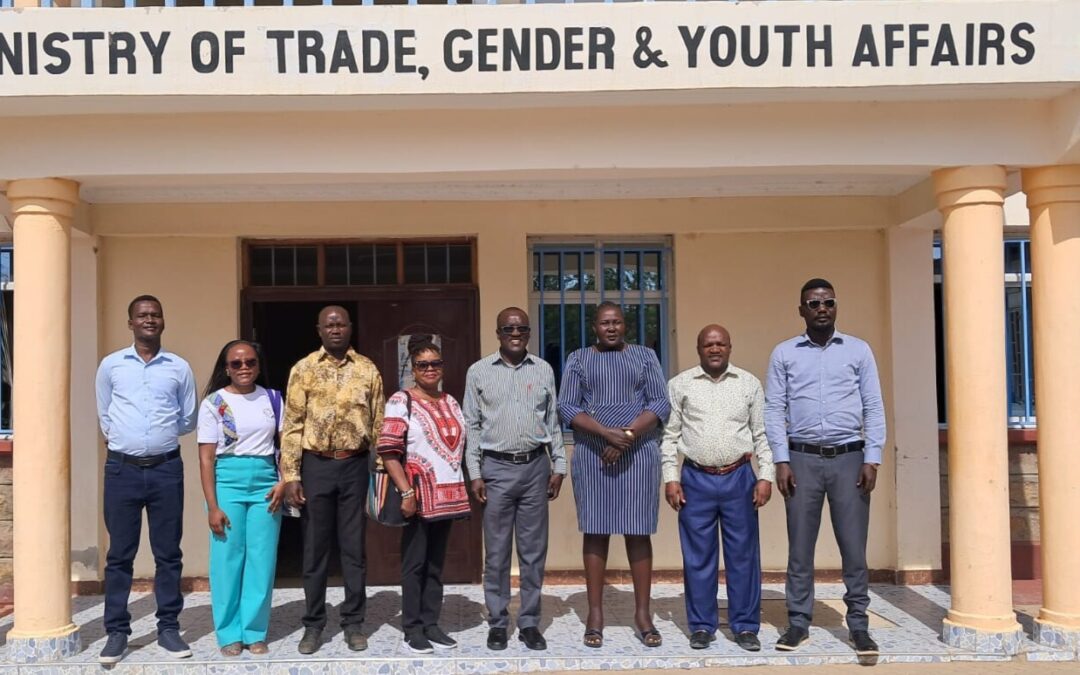
For thousands of residents across Kenya’s arid and semi‑arid counties, the promise of digital access is finally within reach. Women, youth, pastoral households, and marginalized groups in Garissa, Isiolo, Mandera, Marsabit, Samburu, Tana River, Turkana, and Wajir are set to benefit from new training in digital skills, artificial intelligence literacy, and gig‑economy opportunities.
The Enhancing Digital Access and Community Resilience (EDACR) project, implemented by KICTANet with support from the British High Commission in Nairobi, aims to empower over 154,000 people to navigate online government services, protect themselves from cyber risks, and unlock new livelihoods in the digital economy.
“We are here because we are implementing a project titled Enhancing Digital Access and Community Resilience. This project aims at building digital skills, strengthening resilience, and expanding economic opportunities across eight arid and semi‑arid counties in Kenya,” said Dr. Grace Githaiga, CEO of KICTANet to the Turkana County Deputy Governor Dr John Erus on Wednesday in Turkana.
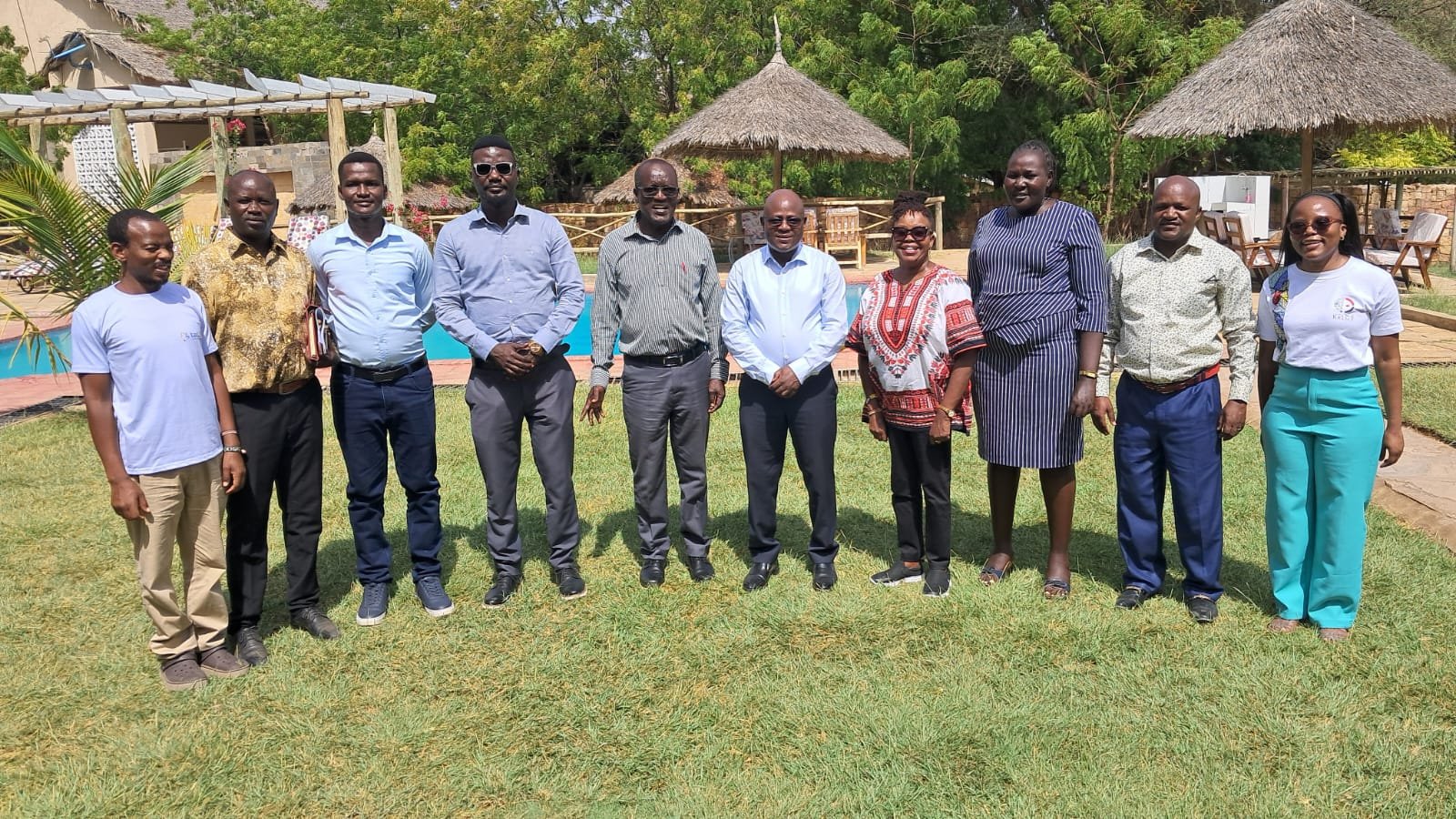
Dr. John Erus joins county officials to support EDACR’s mission of digital inclusion.
Digital Inclusion at the Last Mile
KICTANet is pushing access beyond urban centers, tackling challenges such as limited electricity, device shortages, and drought‑driven vulnerabilities.
“These eight counties were determined by the British High Commission because of their unique challenges: lack of electricity, lack of devices, and drought‑related vulnerabilities that directly hinder digital access,” Dr. Githaiga explained.
Turkana County Deputy Governor Dr. John Erus welcomed the initiative:
“First of all, I welcome you to Turkana, and I truly appreciate your contribution. We face enormous challenges in digital access, especially for pastoral communities who struggle to use government services that have now migrated online.”
Community Champions Driving Change
The program will train 154,000 people through Community Digital Champions (CDCs). These are local youth who cascade skills to Village Savings and Loans Associations (VSLAs) and cooperatives. Training covers device use, cyber hygiene, AI literacy, and gig‑economy opportunities.
“Community Digital Champions have already received training. They will now cascade what they learned to VSLAs and cooperatives: covering basic device use, cyber hygiene, and how to go online to access opportunities,” Dr. Githaiga said.
She stressed the urgency of AI literacy:
“Artificial intelligence is here, and it’s going to be here for a while. In 2027 during elections, we will see generative AI being used to spread misinformation. That is why AI literacy is compulsory for our champions.”
Dr. Erus highlighted the registration dilemma in pastoral households:
“Most households share one or two mobile phones, yet current systems assume each individual must have their own. If ten people in a household could use one phone under different names, that would be transformative.”
Digital Government, Offline Citizens
Kenya’s rapid shift to e‑government has left marginalized households struggling to keep up.
“This government declared itself a digital government and has moved over 22,500 services online. Filing taxes, applying for passports, or getting a Certificate of Good Conduct must now be done digitally. If youth lack these skills, they risk being marginalized,” Dr. Githaiga cautioned.
The top 10 most commonly used services on Kenya’s eCitizen platform include driving licenses, business registration, police clearance, and passport applications.
Dr. Erus added:
“Supporting pastoral communities to access government services online is one of our biggest strategic priorities. We continue to appreciate the small steps that are leading us there.”
Gig and Creative Economies as Lifelines
EDACR also promotes gig platforms, creative content, and digital agriculture to generate new livelihoods.
“Sometimes opportunities don’t come in the form of money but in the form of information. When cooperatives get digital skills, they can market beyond their counties, undercut middlemen, and grow stronger,” Dr. Githaiga said.
Dr. Erus emphasized the county’s broader vision:
“We are very keen on building a digital economy. Our focus is not only freelancing but creating formalized gig opportunities that reduce abuse and build discipline among our youth.”
“This is about more than skills. It is about building the infrastructure and discipline necessary to sustain a digital economy that works for Turkana’s communities,” Dr. Erus said.
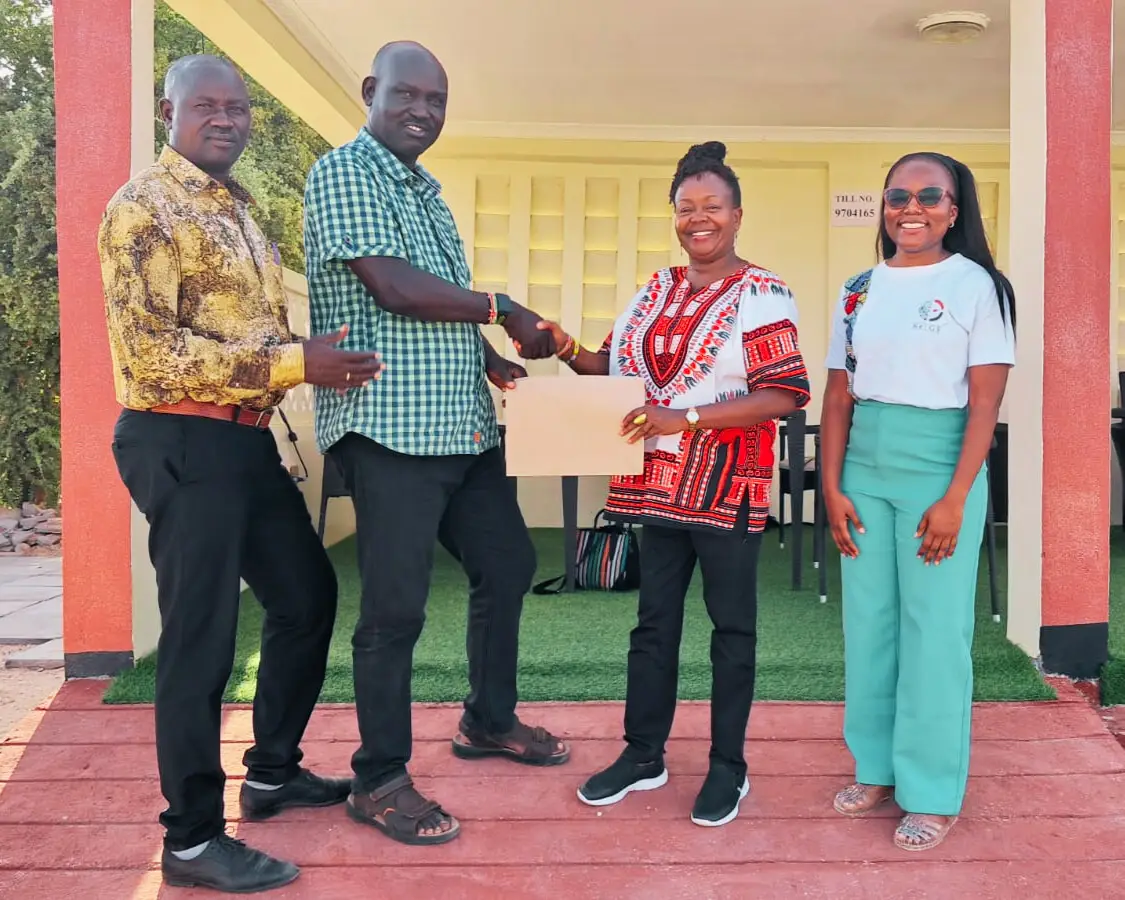
Dr. Grace Githaiga, CEO of KICTANet, and Mr. Augustine Kai Lopie, CEO of LOKADO, shake hands to mark a new partnership under the EDACR project, strengthening grassroots digital inclusion in Turkana County. Present is Mr Ererae Stephen, Director and Ms Cherie Oyier, KICTANet.
The EDACR project gained new momentum after Dr. Grace Githaiga and Mr. Augustine Kai Lopie, CEO of LOKADO, formally sealed a partnership agreement in Turkana County.
The two leaders shook hands to mark the collaboration, which positions LOKADO (Lotus Kenya Development Organization) as a downstream partner under the EDACR initiative. The partnership will strengthen grassroots delivery of digital skills, AI literacy, and gig‑economy training to marginalized communities in Turkana.
Dr. Githaiga emphasized the importance of local partnerships in bridging Kenya’s digital divide:
“This project is designed to mainstream digital inclusion and strengthen community resilience. By working with organizations like LOKADO, we ensure that no one is left behind.”
The county government was also represented underscoring its commitment to supporting digital inclusion and community resilience. Present were Eyanae Rodney David, Director of Co‑operatives; Ererae Stephen, Director; Loyapan Jeremiah, Deputy Director; Richard Echwa, Deputy Director ICT; Robert Loyetei, County Chief Officer for Vocational Training; Polyne Tangarae, County Chief Officer for Trade; and Samwel Amani, Driver to the CCO Trade.
The project is not only about bridging the digital divide but also about unlocking livelihoods, protecting communities from digital exclusion, and preparing them for a future shaped by AI and online economies.