
By Neema Mujesia,
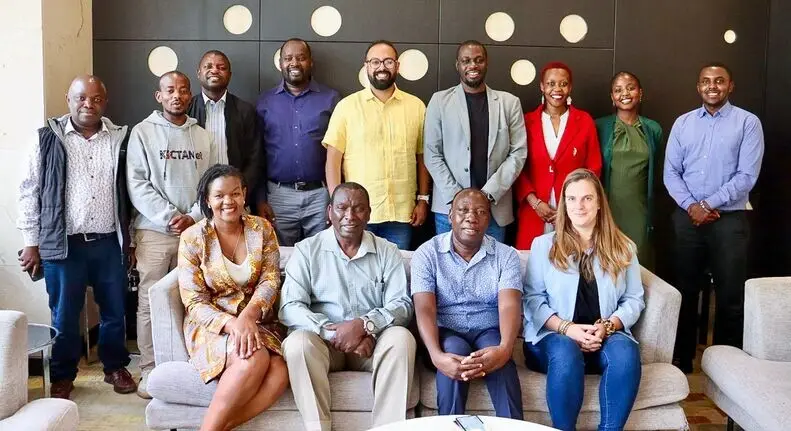
Imagine communities across Kenya not only using technology, but understanding it, shaping it, and building with it. This vision is at the heart of today’s collaborative meeting between KICTANet, its downstream partner Kilimo Hakika, and Otermans Institute (OIAI) under the Enhancing Digital Access and Community Resilience (EDACR) Project. The project is funded by the British High Commission, reinforcing the importance of international collaboration in advancing inclusive digital transformation.
At the centre of this initiative is a shared commitment to strengthening AI literacy at the grassroots level. The meeting focused on enhancing the AI Literacy track delivered through virtual and hybrid learning models, ensuring that communities, particularly in underserved counties, are equipped with practical knowledge and confidence to engage with artificial intelligence. The goal is simple yet transformative: move from awareness to action, and from access to empowerment.
The programme is anchored in a 9-module AI App designed to make artificial intelligence accessible, relevant, and actionable for everyday citizens. It begins with foundational concepts such as understanding what AI is and why it matters, and progresses to exploring what it means to remain human in an AI-driven world, the role of citizens in shaping technology, ethics and fairness in AI design, how machines learn, and real-world applications of AI. Learners are encouraged not only to understand emerging technologies but also to build with AI and reflect on the future they want to create. This human-centred approach ensures that technology serves communities, not the other way around.
Dr. Grace Githaiga, CEO of KICTANet, emphasised the importance of inclusive AI education, stating: “AI literacy is no longer a luxury, it is a necessity for meaningful digital inclusion. Through the EDACR Project, we are ensuring that communities at the grassroots are not just passive consumers of technology, but informed participants and creators in Kenya’s digital future.” Her remarks reflect KICTANet’s ongoing commitment to ensuring that digital transformation benefits all citizens equitably.
The partnership also highlights the importance of human-centred learning. Dr. Pauldy Otermans of Otermans Institute (OIAI) noted that “AI education must be human-centred, practical, and accessible. Our collaboration with KICTANet demonstrates that when we localise AI learning and make it relevant to everyday life, we empower citizens to shape technology rather than be shaped by it.” This shared philosophy ensures that AI literacy goes beyond technical knowledge to include ethics, critical thinking, and real-world application.
Beyond digital skills, the EDACR Project is designed to bridge the digital divide by promoting inclusion, strengthening employability, and fostering economic resilience. By supporting Village Savings and Loans Associations (VSLAs) as hubs for digital, financial, and agribusiness services, and by facilitating market linkages and business coaching, the project connects AI literacy to tangible community impact. As Dev Aditya, Managing Director/CEO of iEAD FOR ALL, observed: “True leadership in the digital age begins with access and understanding. By embedding AI literacy within community resilience programmes, we are creating pathways for innovation, entrepreneurship, and inclusive growth that leave no one behind.”
From grassroots communities to national impact, this initiative represents a powerful step toward building a digitally confident society. By investing in AI literacy today, we are shaping a future defined by opportunity, resilience, and meaningful inclusion, ensuring that no community is left behind on the journey from grassroots to greatness.