
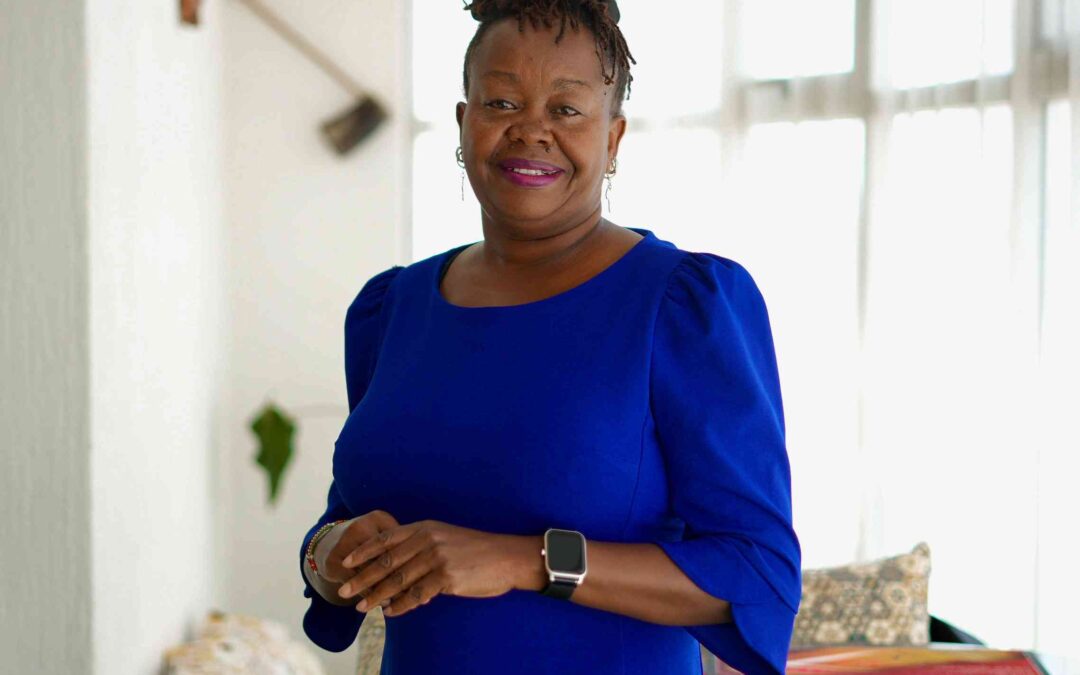
By Dr. Grace Githaiga
Distinguished guests, colleagues, and champions of digital empowerment,
It is an honour to be here today as we launch this Civil Society Alliances for Digital Empowerment in short- CADE Mapping and Baseline Studies—a moment that marks both a milestone and a call to action for everyone in this room and across the digital rights ecosystem.
Today we are launching two reports (a baseline, and a mapping of CSOs that engage in MS and multilateral Internet Governance Processes). However, this is more than unveiling these two important reports. It is about recognizing the critical, and often undervalued, role that civil society organisations play in shaping not just the internet, but the future of governance, inclusion, and human rights.
We are at a pivotal point in the evolution of internet governance. The internet has become a central system of society, influencing economies, democracies, education, culture, and the delivery of justice. As these reports find, civil society organisations—CSOs—are not just spectators in these developments. They are catalysts for change, the advocates for those at the margins, and the bridge between technical expertise and real-world impact or communities.
These two studies, the product of rigorous research and collaboration, map out the state of CSO engagement in multilateral and multistakeholder internet governance processes. They provide a look at both the remarkable progress made and the persistent gaps that threaten to leave too many voices unheard—especially those from the Global South.
As the Baseline and Mapping reports underline, CSOs amplify marginalised voices, champion fundamental rights, and hold power to account in an arena often dominated by large tech and state actors. Their unique perspectives ensure that internet governance is not simply an exercise in technical standards or commercial interests, but a pursuit grounded in equity, access, and justice.
Yet, the data is sobering. Participation from the Global South remains disproportionately low. Meaningful engagement is hampered by financial, procedural, and linguistic barriers as well as by limited representation in formal decision-making structures. Diversity and gender inclusion are too often aspirations rather than realities.
The digital divide is not simply about connectivity; it is also about who gets to decide what the future internet looks like. The proliferation of forums, the dominance of English-language materials, the complexity of technical jargon, and insufficient support for travel and participation, particularly for small and grassroots CSOs, combine to reinforce old hierarchies in new digital forms.
And yet, amidst these challenges are stories of ingenuity and hope. The studies highlight the growing trend of regional and context-specific internet governance initiatives—solutions being crafted by those closest to the issues. CSOs are already expanding their impact through remote participation, mentorship eg. KeSIG, youth engagement, and localisation of global debates. There are more seats at the table today than there were five years ago, but the table must still grow.
What, then, is required of us?
First, we must move from token inclusion to meaningful participation. This means investing in sustained capacity building, mentorship programs, and removing access barriers—including language, digital literacy, and finance.
Second, we need to strengthen regional IG forums and knowledge hubs. These are the spaces where global policy meets local reality—and where CSOs can ensure that internet governance reflects lived experience.
Third, sustainable funding must become the norm, not the exception. Long-term, flexible financing mechanisms, including multi-year and unrestricted grants, are vital if we want civil society to contribute consistently and skillfully.
Fourth, our communication must change. We need to make technical policy accessible to all—through multi-lingual, multimedia, locally relevant storytelling that turns abstract issues into lived narratives. Media engagement is not a luxury; it is a necessity for legitimacy.
Fifth, we must close the enduring gender and inclusivity gaps. Quotas and affirmative action must be reinforced by deep cultural commitments to transform internet governance so it works for all, not just a
Let us heed the findings of these reports—not just as a checklist, but as a blueprint for collective, coordinated action.
Let this session set the tone for bold collaboration; let us commit to breaking silos, sharing resources, and centering those who have been left out for too long.
The internet will only serve humanity if its governance is genuinely participatory, diverse, and just. The future starts as we gather around this table—determined to shape a digital ecosystem where every voice is heard, and every stakeholder is valued.
Thank you.
Dr Grace Githaiga, CEO KICTANet Keynote Address at the Launch of the CADE Mapping and Baseline Studies October 2nd 2025.